Mar 14, 2025· 4 min read
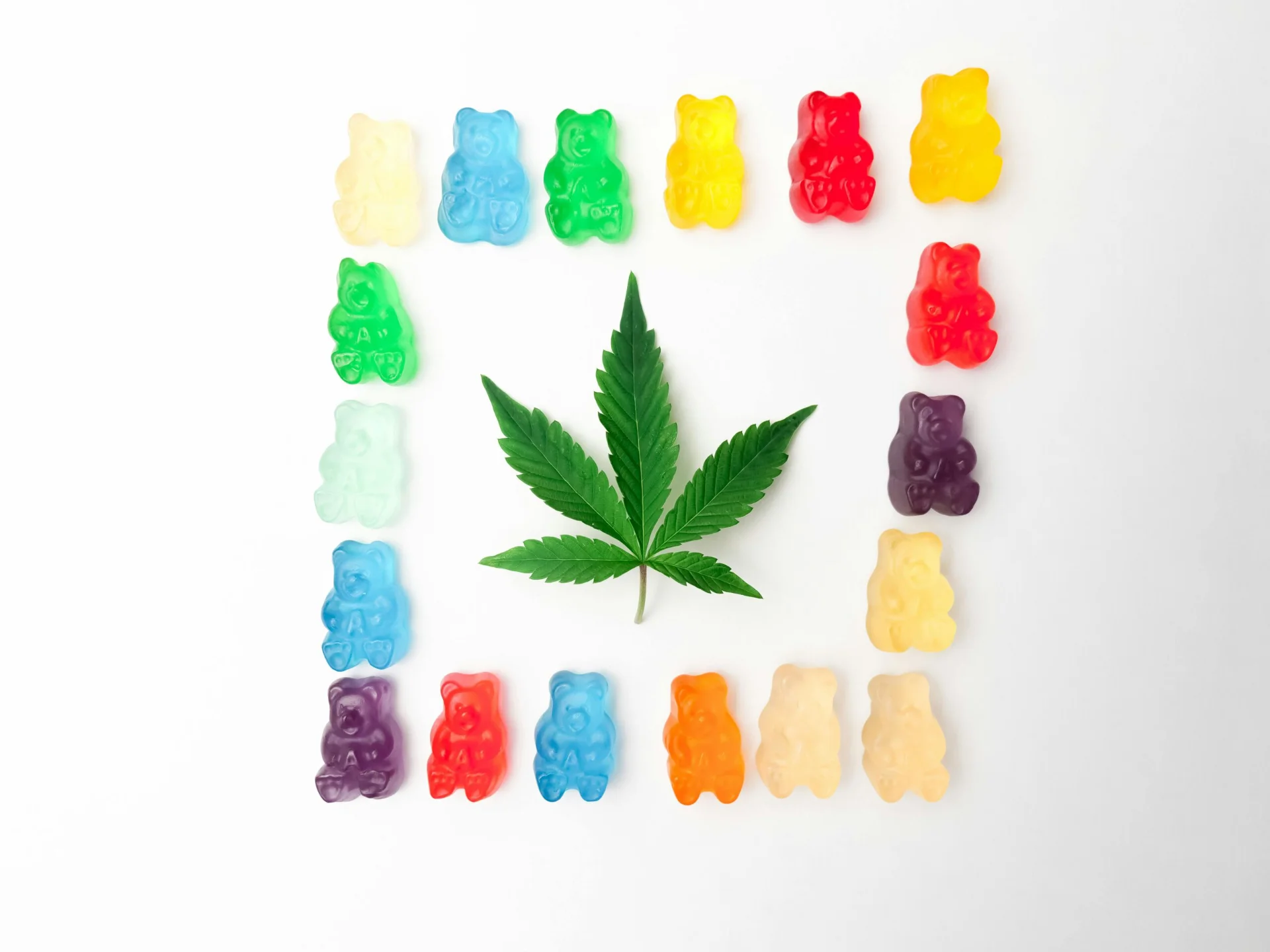
The landscape of cannabis edibles has evolved significantly, moving beyond the classic homemade brownie to a diverse array of products designed to deliver specific effects and experiences. As cannabis consumption has become more sophisticated, consumers often categorize edibles by strain type: sativa, indica, or hybrid. However, when it comes to edibles, the impact of these classifications is not always as straightforward as it seems. Let’s dive deeper into how these strain types influence the edible experience and what factors really matter in choosing the right product.
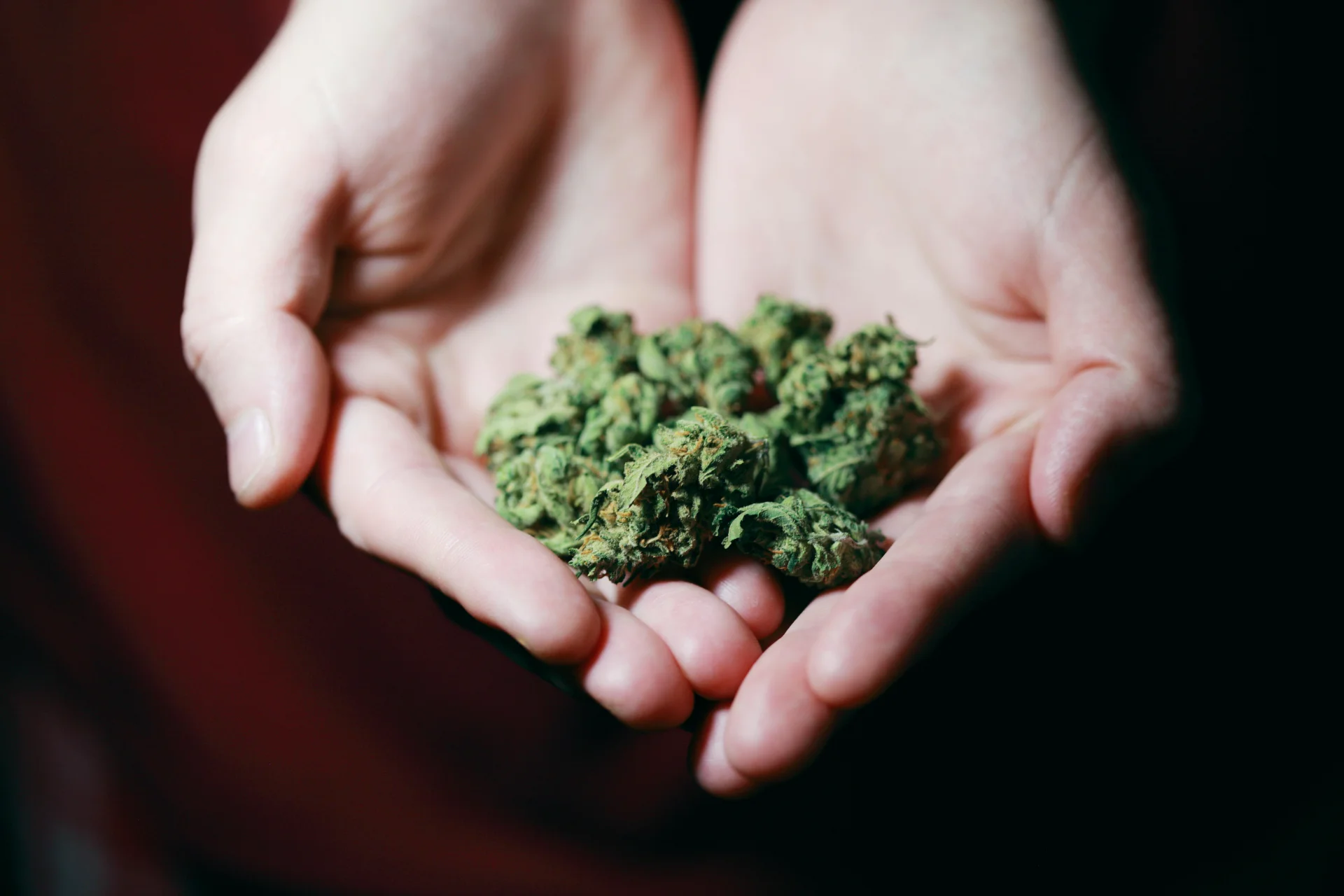
Traditionally, sativa strains are associated with uplifting, energizing effects, making them popular for daytime use. They are known for their ability to enhance focus, creativity, and sociability. On the other hand, indica strains are linked to relaxation, sedation, and body-heavy effects, often recommended for nighttime use or pain relief.
These effects stem from the plant’s terpene and cannabinoid profile, but the question is—does this difference translate to edibles?
When cannabis is inhaled, THC (tetrahydrocannabinol) enters the bloodstream through the lungs, providing almost immediate effects. However, edibles take a longer and more complex route through the digestive system.
When consumed, edibles first pass through the digestive system, where they are broken down in the stomach before being processed by the liver. During this process, delta-9 THC—the primary psychoactive compound in cannabis—is converted into 11-hydroxy-THC, a more potent and long-lasting metabolite. This conversion results in a delayed onset of effects, as the body must first metabolize the THC before it enters the bloodstream. As a result, edibles can take anywhere from 30 minutes to 2 hours to take full effect, with the experience lasting significantly longer than inhaled cannabis—typically 6 hours or more.
The traditional understanding of sativa and indica comes from botanical classifications and terpene content rather than inherent differences in THC content. Terpenes play a significant role in shaping how a strain interacts with the body, influencing whether its effects feel energizing and uplifting or calming and sedative. However, when cannabis is processed into edibles, terpenes are known for their high volatility, meaning they can easily evaporate at relatively low temperatures. This volatility poses challenges during the extraction and cooking processes involved in creating edibles, as significant terpene loss can occur. For instance, studies have shown that while cannabinoid content may be preserved during extraction, there is often a substantial loss of terpenes, particularly the more volatile monoterpenes.
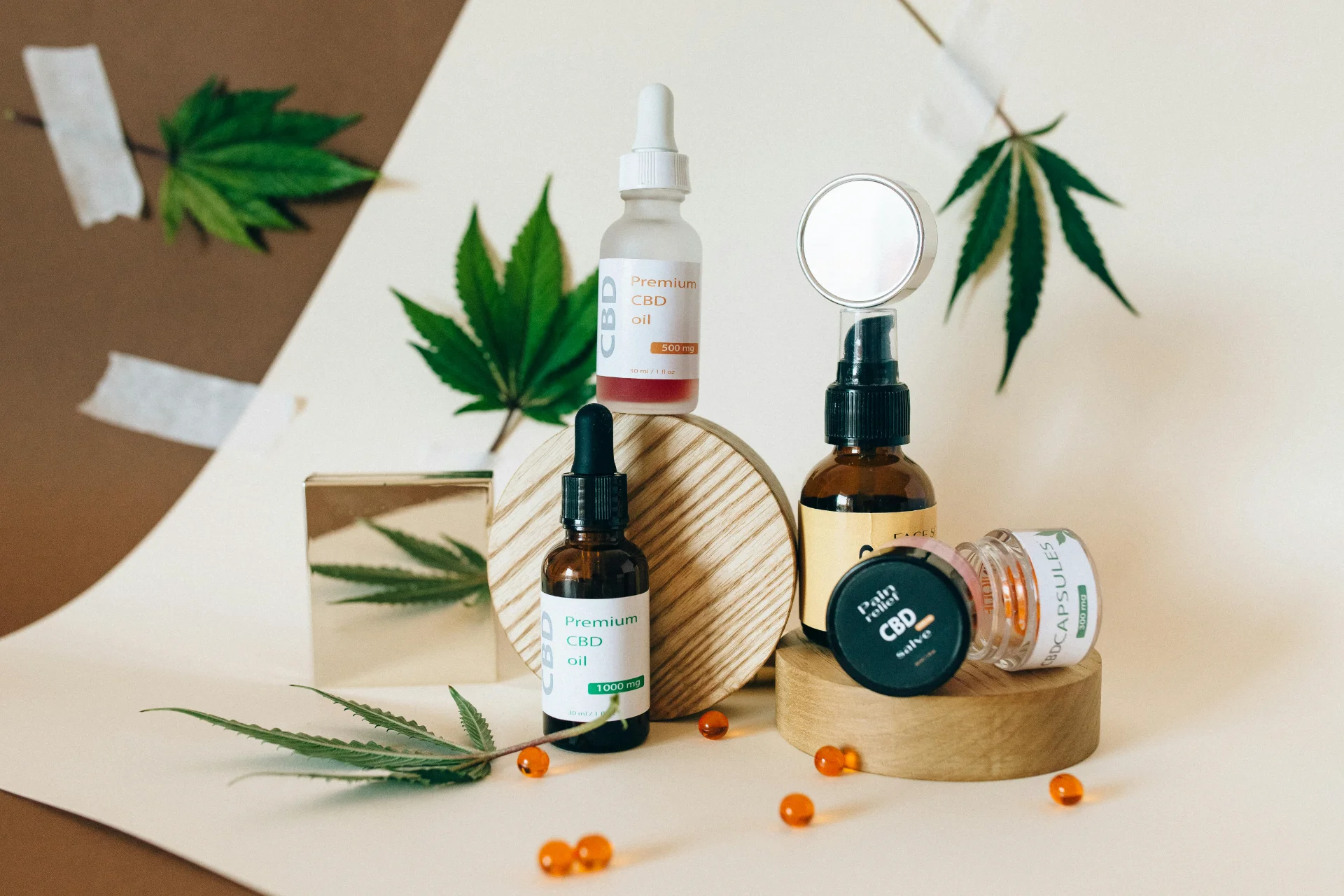
Sativa-labeled edibles are typically marketed for daytime or social use and may contain added terpenes or ingredients to enhance focus and energy. Some products use natural terpenes like Limonene or Pinene, which are commonly found in citrus fruits and pine trees and are believed to promote alertness.
Indica-labeled edibles are often marketed as relaxing, sedative, or ideal for sleep. While the loss of original terpenes in processing makes this effect less strain-dependent, some brands add terpenes like myrcene and linalool, which are found in lavender and have calming properties.
Some cannabis edibles are labeled hybrid, meaning they claim to offer a balanced effect—neither too sedating nor too energizing. This can be beneficial for users who want pain relief without drowsiness or relaxation without full sedation.
When choosing an edible, several factors can influence the overall experience. One of the most important considerations is the THC to CBD ratio. High-THC edibles tend to be more psychoactive, producing stronger euphoric effects, while CBD can help balance THC’s intensity, creating a more mellow and clear-headed experience. Dosage also plays a key role in determining how an edible will affect you. Beginners should start with 2.5-5mg of THC to gauge their tolerance and avoid overwhelming effects. For those with moderate experience, a dose of 5-10mg THC provides a noticeable but manageable high, while experienced users may prefer 10mg or more, leading to stronger and longer-lasting effects. Understanding these factors can help consumers tailor their edible experience to their individual needs and comfort levels.
While labels like sativa, indica, and hybrid can give some guidance, the effects of an edible depend more on its THC content, terpene reintroduction, and added ingredients rather than just the original cannabis strain. Ultimately, the best way to find what works for you is to start low, go slow, and experiment with different formulations.

You must be at least 19 to enter this site
By entering this site, you agree to our Terms of Service and Privacy Policy.